Mailchimp vs Brevo vs SendPulse: Which Email Marketing Platform Is Best for SMBs in 2026?
Light illustrative SaaS UI mockup for an article comparing Mailchimp, Brevo, and SendPulse email marketing platforms

Updated: 2026. Choosing between Mailchimp, Brevo, and SendPulse is no longer just about sending newsletters. For SMBs, the real question is which platform helps you launch faster, automate more with less manual work, and avoid building a messy stack of disconnected tools six months from now. Here is the short version: Mailchimp is often the
Server-side tracking in 2026: when you need it and what it costs (SMB)

Light modern UI mockup with tracking pipeline diagram, metrics cards, and event logs for server-side tracking

Updated: 2026. In 2026, “classic” browser-only tracking breaks more often than most SMB teams expect: ad blockers, cookie limits, iOS policies, stricter consent setups, and attribution differences across ad platforms. The result is familiar: fewer reported conversions, noisier ROAS/CPA, and analytics that won’t match your CRM or payment data. Server-side tracking is a measurement approach

Facebook Pixel vs Meta CAPI: What to Choose and How to Set Up (Step-by-Step)

Screenshot-style SaaS dashboard mockup showing analytics charts and an API-to-server data flow for conversion tracking

If your Meta ads (Facebook/Instagram) feel inconsistent—some days conversions show up, other days they “disappear”—it’s often a tracking issue, not a creative issue. Browsers block cookies, ad blockers filter scripts, and mobile privacy limits reduce what the browser can send. That’s why SMB teams keep asking the same question: should we rely on the Meta

UTM Parameters: Complete SMB Guide + Google Sheets Templates (2026)

Light modern UI mockup of an analytics dashboard and a Google Sheets UTM builder

UTM parameters are the simplest way to stop guessing where leads and sales come from. If you run an SMB and marketing happens across multiple channels (Google Ads, Meta, TikTok, email, messengers, partners), analytics gets messy fast: traffic sources blend together, campaigns become impossible to compare, and ROI conversations turn into opinions. This guide keeps

GA4 for Websites in 2026: Basic Setup + 10 Common Mistakes (and Fixes)

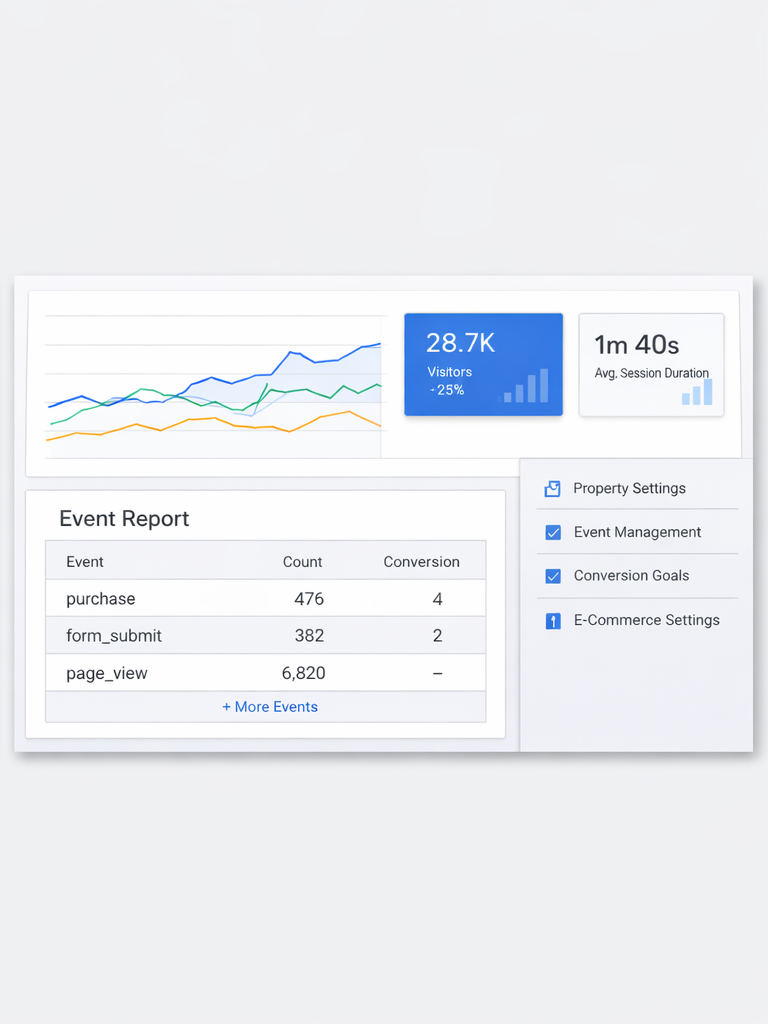
Light analytics dashboard UI mockup for a basic GA4 website setup

Updated: 2026. GA4 is not “install a script and forget.” If your setup is off, you’ll get pretty charts and bad decisions: duplicated events, broken attribution, missing conversions, and ad optimization that goes the wrong way. This guide is built for SMB owners, marketers, and managers: a clean baseline GA4 setup plus the 10 mistakes

CRM for eCommerce: Critical Integrations (Shopify/WooCommerce/Payments) in 2026

Updated: 2026. In eCommerce, a CRM without integrations is just a contact list. To actually improve sales and service, your CRM must see the full chain: order → payment outcome → shipping → refunds/returns → repeat purchases, while keeping marketing attribution (UTM) and support history in one place. TL;DR: critical integrations (P0–P2) Table of contents

Pipedrive vs HubSpot CRM: Which Is Better for B2B Sales?

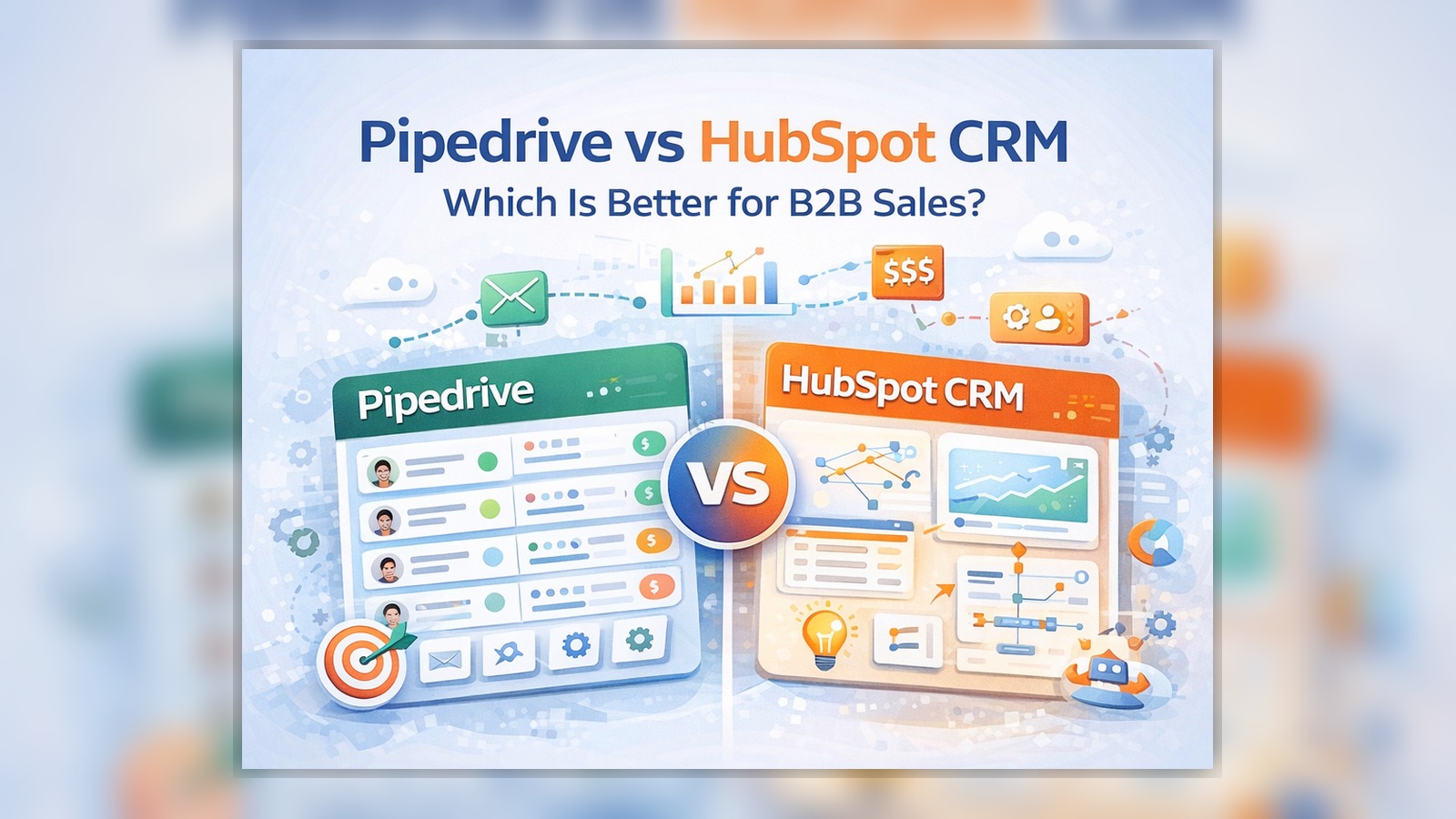
Pipedrive vs HubSpot CRM comparison for B2B sales — pipeline, automation, and reporting

Updated: February 2026. If you run B2B sales (multi-step deals, longer cycles, multiple stakeholders), the “CRM shortlist” often comes down to Pipedrive vs HubSpot CRM. Both are excellent — but they win in different scenarios. This guide compares what matters for B2B: pipeline execution, automation, email/calls, reporting, integrations, and the real cost of scaling. Quick

How to Log Webhooks Properly: Retries, Idempotency, and Deduplication in 2026

How to log webhooks properly: retries, idempotency, and deduplication

Webhooks look simple until the first serious incident. When volumes are low, many businesses survive with almost no logging at all: an event comes in, something gets pushed into the CRM, and everyone assumes the integration is fine. But once duplicate leads appear, payments are processed twice, orders go missing, or automations fail “randomly,” the